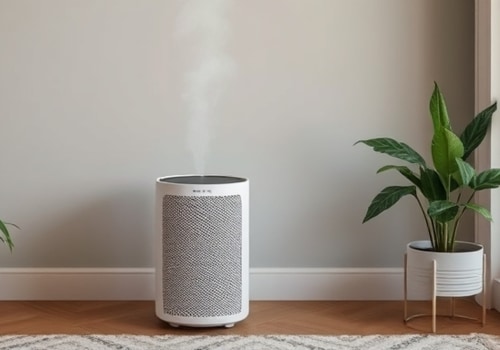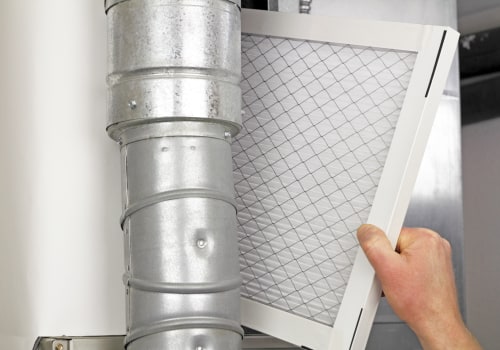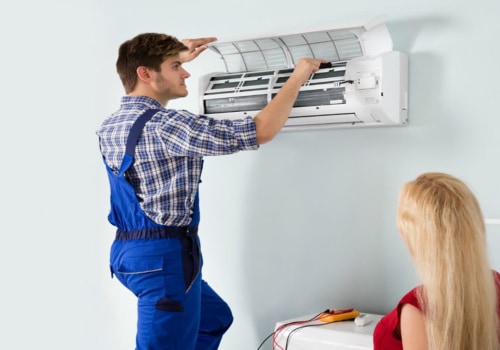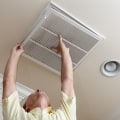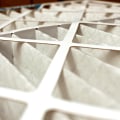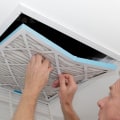
Air filters are often overlooked components of HVAC systems, yet they play a crucial role in ensuring a comfortable and healthy living environment. These filters are designed to trap dust, pollen, pet dander, and other airborne particles, preventing them from circulating throughout your home. By doing so, they not only enhance the efficiency of your heating and cooling systems but also significantly improve indoor air quality. Understanding the importance of air filters is essential for any homeowner who values both comfort and health.The primary function of an air filter is to capture contaminants that can compromise the air quality in your home.
When air passes through the filter, it is cleansed of harmful particles that could lead to respiratory issues or exacerbate allergies. This is particularly important for families with young children, elderly members, or individuals with pre-existing health conditions. A clean air filter ensures that the air you breathe is free from irritants, contributing to a healthier indoor environment.Moreover, the significance of maintaining your air filter extends beyond just health benefits. A well-functioning air filter allows your HVAC system to operate more efficiently, which can lead to lower energy bills and prolonged equipment lifespan.
When filters are clogged with dirt and debris, your system has to work harder to circulate air, resulting in increased wear and tear. Regularly changing or cleaning your air filter is a simple yet effective way to enhance both the performance of your HVAC system and the overall comfort of your home.
How Air Filters Work: The Science Behind Filtration
Understanding how air filters work is essential for appreciating their role in maintaining indoor air quality. At their core, air filters are designed to capture and remove particles from the air that circulates through your heating, ventilation, and air conditioning (HVAC) system. This filtration process is crucial for ensuring that the air you breathe is clean and free from harmful contaminants.The filtration process begins when air is drawn into the HVAC system.As the air passes through the filter, various mechanisms come into play to trap particles:
- Mechanical Filtration: This is the most common method used in air filters. It relies on physical barriers to capture larger particles like dust and pet dander. The filter material, often made of fiberglass or synthetic fibers, acts as a sieve, allowing clean air to pass while trapping contaminants.
- Electrostatic Filtration: Some filters use electrostatic charges to attract and capture particles. These filters can be more effective at trapping smaller particles, including allergens like pollen and mold spores, due to their charged surfaces.
- HEPA Filtration: High-Efficiency Particulate Air (HEPA) filters are designed to capture at least 99.97% of particles that are 0.3 microns in size.
This makes them highly effective for removing fine dust, smoke, and even some bacteria and viruses from the air.
- Fiberglass Filters: These are the most basic type of filters, designed primarily for protecting HVAC equipment rather than improving air quality. They are inexpensive but not very effective at capturing small particles.
- Pleated Filters: Made from polyester or cotton, pleated filters have a larger surface area than fiberglass filters, allowing them to capture more dust and allergens. They are a popular choice for homeowners looking for a balance between cost and efficiency.
- HEPA Filters: As mentioned earlier, HEPA filters provide superior filtration capabilities. They are ideal for individuals with allergies or respiratory issues but may require more frequent replacement due to their high efficiency.
- Washable Filters: These reusable filters can be cleaned and used multiple times.
While they can save money in the long run, they require regular maintenance to ensure they remain effective.
The Consequences of Neglecting Air Filter Maintenance
Neglecting to maintain your air filter can lead to a cascade of negative consequences that affect both your health and the efficiency of your HVAC system. Understanding these repercussions is crucial for any homeowner who values a clean and safe living environment.Health Risks Associated with Poor Air Quality
One of the most immediate effects of a dirty air filter is the deterioration of indoor air quality. When the filter is clogged with dust, pollen, and other allergens, these particles are recirculated throughout your home.This can lead to:
- Respiratory Issues: Individuals with asthma or allergies may experience aggravated symptoms, including wheezing, coughing, and shortness of breath.
- Increased Illness: Poor air quality can weaken the immune system, making you more susceptible to colds and other infections.
- Chronic Fatigue: Prolonged exposure to allergens can lead to fatigue and decreased productivity, as your body works harder to combat these irritants.
- Headaches and Discomfort: Dust and other pollutants can trigger headaches and general discomfort, affecting your overall well-being.
HVAC System Damage
A dirty air filter doesn't just impact your health; it also poses significant risks to your HVAC system. Here’s how:- Reduced Efficiency: When airflow is restricted due to a clogged filter, your HVAC system has to work harder to maintain the desired temperature. This increased workload can lead to higher energy bills.
- Overheating: The strain on the system can cause components to overheat, leading to potential breakdowns or costly repairs.
- Shortened Lifespan: Regularly neglecting air filter maintenance can significantly reduce the lifespan of your HVAC unit. A well-maintained system can last 15-20 years, while one that is poorly maintained may fail much sooner.
- Mold Growth: A dirty filter can trap moisture, creating an ideal environment for mold growth within the ducts.
This not only affects air quality but also poses serious health risks.
Signs That Your Air Filter Needs Changing
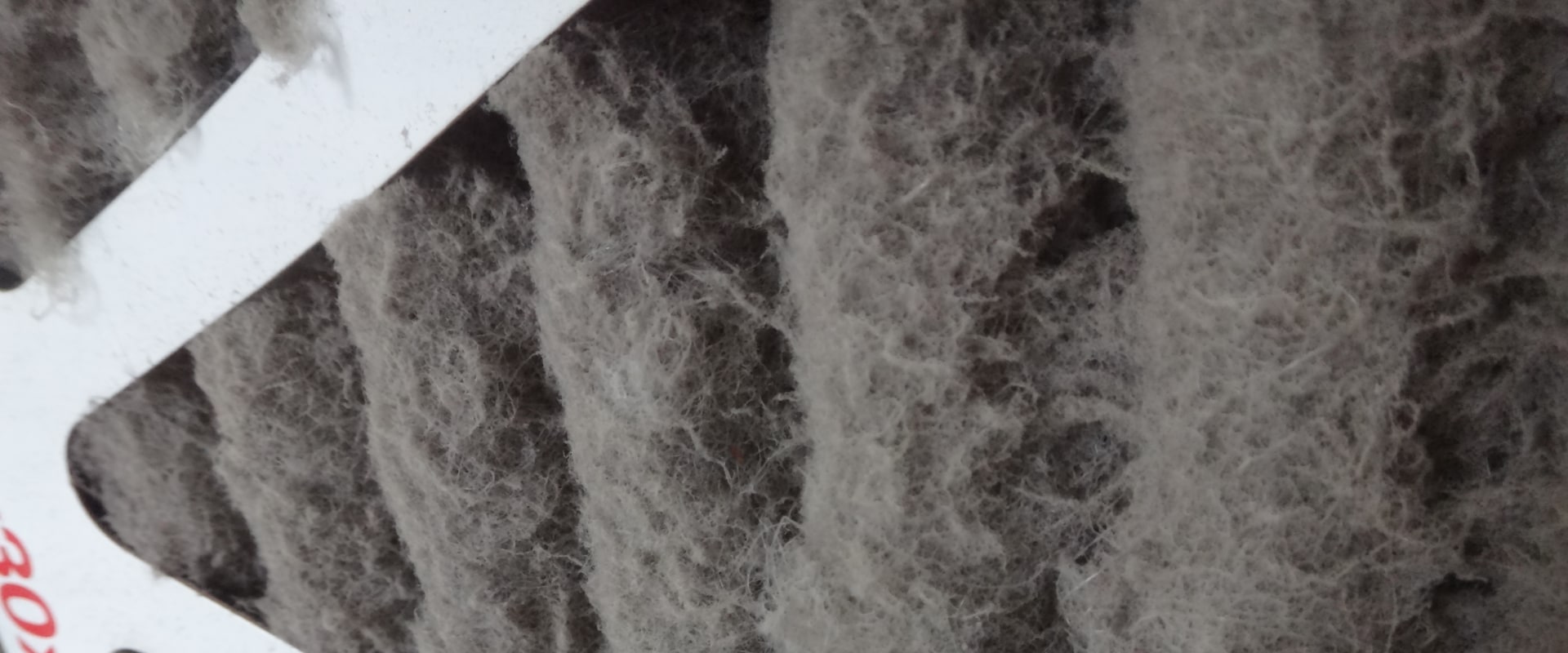
Recognizing when your air filter needs to be changed is crucial for maintaining optimal air quality and HVAC efficiency. Here are some key indicators that suggest it’s time to replace or clean your air filter:- Visible Dirt and Dust: One of the most straightforward signs is the visible accumulation of dust and dirt on the filter itself.
If you can see a layer of grime, it’s time for a change.
- Reduced Airflow: If you notice that the airflow from your vents has diminished, this could indicate that your air filter is clogged. A dirty filter restricts airflow, making your HVAC system work harder to circulate air.
- Increased Energy Bills: A sudden spike in your energy bills can be a sign that your HVAC system is overworking due to a dirty air filter. When the system struggles to pull air through a clogged filter, it consumes more energy.
- Unpleasant Odors: If you detect musty or stale odors coming from your vents, it may be due to a dirty air filter. A clogged filter can trap moisture and contaminants, leading to unpleasant smells.
- Allergy Symptoms: If you or your family members experience increased allergy symptoms such as sneezing, coughing, or itchy eyes, it could be due to poor indoor air quality caused by a dirty air filter.
- Time Since Last Change: As a general rule of thumb, check your air filter every 1-3 months.
If it’s been longer than this since your last change, it’s wise to inspect the filter regardless of other signs.
How Often Should You Change Your Air Filter?
Determining how often to change your air filter is crucial for maintaining optimal air quality and HVAC efficiency. The frequency of replacement can vary significantly based on several factors, including the type of filter you use, the size of your household, and the environmental conditions in your area.Filter Type
The type of air filter you have plays a significant role in how often it needs to be changed. Here are some common types:- Fiberglass Filters: These are the most basic and least expensive filters.
They typically need to be replaced every 30 days.
- Pleated Filters: More efficient than fiberglass, pleated filters can last anywhere from 1 to 3 months, depending on usage.
- HEPA Filters: High-Efficiency Particulate Air (HEPA) filters are designed to trap very small particles. They can last up to 6 months or longer but should be checked regularly.
- Washable Filters: These filters can be cleaned and reused. They should be washed every month and replaced every 5 years or so.
Household Size and Lifestyle
The number of people living in your home and their activities can also affect how often you should change your air filter. For example:- If you have pets, you may need to change your filter more frequently due to increased hair and dander.
- Homes with multiple occupants or children may produce more dust and allergens, necessitating more frequent changes.
- If anyone in your household suffers from allergies or respiratory issues, consider changing the filter every month for better air quality.
Environmental Conditions
Your local environment can also impact air filter longevity.Areas with high levels of dust, pollen, or pollution may require more frequent changes. For instance:
- In urban areas with heavy traffic, filters may clog faster due to increased particulate matter.
- If you live in a region with seasonal pollen spikes, such as during springtime, consider checking your filter more often during those months.
Choosing the Right Air Filter for Your Home
Choosing the right air filter for your home is crucial for maintaining optimal air quality and ensuring the efficiency of your HVAC system.With a variety of options available, understanding the different types of air filters and their respective ratings can help you make an informed decision.
Types of Air Filters
- Fiberglass Filters: These are the most basic type of air filter, made from layered fiberglass strands. They are inexpensive and effective at capturing larger particles like dust and lint but do not filter out smaller allergens or pollutants.
- Pleated Filters: Constructed from polyester or cotton, pleated filters have a larger surface area, allowing them to capture more particles. They are more efficient than fiberglass filters and can trap smaller allergens such as pollen and pet dander.
- HEPA Filters: High-Efficiency Particulate Air (HEPA) filters are designed to capture 99.97% of particles that are 0.3 microns or larger. They are ideal for individuals with allergies or respiratory issues, as they effectively remove dust, mold spores, and pet dander from the air.
- Electrostatic Filters: These filters use static electricity to attract and trap particles.
They can be washable and reusable, making them a cost-effective option in the long run. However, their effectiveness can vary based on the design and material used.
- Activated Carbon Filters: These filters contain activated carbon that absorbs odors and harmful gases, making them excellent for homes with pets or cooking odors. While they excel at odor removal, they may not be as effective at trapping larger particles.
Understanding Filter Ratings
Air filters are often rated using the Minimum Efficiency Reporting Value (MERV) scale, which ranges from 1 to 16. The higher the MERV rating, the more efficient the filter is at capturing airborne particles. Here’s a quick breakdown:- MERV 1-4: Basic filtration; captures large particles but not effective for allergens.
- MERV 5-8: Better filtration; captures smaller dust particles and some allergens.
- MERV 9-12: Good filtration; effective against mold spores, pet dander, and pollen.
- MERV 13-16: High-efficiency filtration; ideal for those with allergies or respiratory issues.
Regularly checking and replacing your air filter based on its type and usage will ensure that your home remains a healthy environment for you and your family.
DIY vs. Professional Air Filter Maintenance: What You Need to Know
When it comes to maintaining your air filter, homeowners often face a choice between DIY maintenance and hiring professional HVAC services. Each option has its own set of advantages and disadvantages, and understanding these can help you make an informed decision that best suits your needs.DIY Air Filter Maintenance
- Cost-Effective: One of the most significant benefits of DIY maintenance is the cost savings. Replacing or cleaning your air filter yourself can be much cheaper than hiring a professional.
Most filters are relatively inexpensive, and the process can often be completed in just a few minutes.
- Convenience: Performing maintenance on your own schedule allows for greater flexibility. You can check and change your air filter at your convenience, ensuring that it fits seamlessly into your routine.
- Empowerment: Taking care of your home can be empowering. By learning how to maintain your air filter, you gain a better understanding of your HVAC system and how it works, which can lead to more informed decisions about other home maintenance tasks.
- Lack of Expertise: Unless you have experience with HVAC systems, you may not recognize when a filter needs changing or if there are underlying issues with your system.
- Time-Consuming: While changing an air filter is quick, identifying the right type of filter and ensuring proper installation can take time, especially for those unfamiliar with the process.
Professional HVAC Services
- Expertise: Hiring a professional ensures that the job is done correctly. HVAC technicians have the training and experience to identify not only when to change the air filter but also any other potential issues within your system.
- Comprehensive Maintenance: Professionals often provide a full inspection of your HVAC system during a service call.
This means they can catch problems early, potentially saving you from costly repairs down the line.
- Convenience: For busy homeowners, hiring a professional can save time and effort. You won’t have to worry about remembering to check or change the filter yourself.
Frequently Asked Questions About Air Filters
When it comes to maintaining your HVAC system, understanding air filters is crucial.Here are some frequently asked questions that can help clarify common concerns and enhance your knowledge about air filters.
What is the purpose of an air filter?
An air filter serves as a barrier that traps dust, pollen, pet dander, and other airborne particles, preventing them from circulating throughout your home. This not only improves indoor air quality but also protects your HVAC system from damage caused by dirt and debris.How often should I change my air filter?
The frequency of changing your air filter depends on several factors, including:- Type of filter: Some filters are designed to last longer than others. For example, HEPA filters can last up to six months, while standard fiberglass filters may need changing every month.
- Household conditions: If you have pets or live in a dusty area, you may need to change your filter more frequently.
- Usage: During peak seasons when your HVAC system is running constantly, consider checking your filter every month.
What are the signs that my air filter needs to be changed?
Look for these indicators:- Reduced airflow: If you notice that your HVAC system is struggling to maintain temperature, it could be due to a clogged filter.
- Increased energy bills: A dirty filter forces your system to work harder, leading to higher energy costs.
- Visible dirt or discoloration: If you can see dust or grime on the filter, it’s time for a replacement.
Can I clean my air filter instead of replacing it?
This depends on the type of filter you have. Some filters are washable and can be cleaned with water and mild detergent.However, disposable filters should be replaced rather than cleaned. Always refer to the manufacturer’s instructions for guidance.
What happens if I don’t change my air filter?
If you neglect to change your air filter regularly, several issues may arise:- Poor indoor air quality: Accumulated dust and allergens can lead to respiratory problems and allergies.
- System damage: A dirty filter can cause strain on your HVAC system, potentially leading to costly repairs or replacements.
- Mold growth: Excess moisture can accumulate in a clogged filter, creating an environment for mold and bacteria to thrive.
Conclusion: The Importance of Regular Air Filter Maintenance for Health and Efficiency
In summary, the significance of regularly changing your air filter cannot be overstated. This simple yet vital maintenance task plays a crucial role in ensuring both the health of your household and the efficiency of your HVAC system. By keeping your air filter clean, you are not only enhancing the quality of the air you breathe but also prolonging the lifespan of your heating and cooling systems.Throughout this article, we have explored various aspects of air filter maintenance, including:- Health Benefits: A clean air filter significantly reduces the presence of allergens, dust, and other harmful particles in your indoor air.
This is especially important for individuals with respiratory issues or allergies.
- Energy Efficiency: A clogged air filter forces your HVAC system to work harder, leading to increased energy consumption and higher utility bills. Regular maintenance helps maintain optimal airflow and efficiency.
- Cost Savings: Investing in regular air filter changes can save you money in the long run by preventing costly repairs or replacements of your HVAC system due to neglect.
- Improved Air Quality: Clean filters help eliminate unpleasant odors and ensure that your home remains a comfortable and inviting space.
By taking this proactive approach, you are investing in both your well-being and the longevity of your home’s heating and cooling systems. Don’t overlook this essential task; make it a part of your home maintenance routine today!.